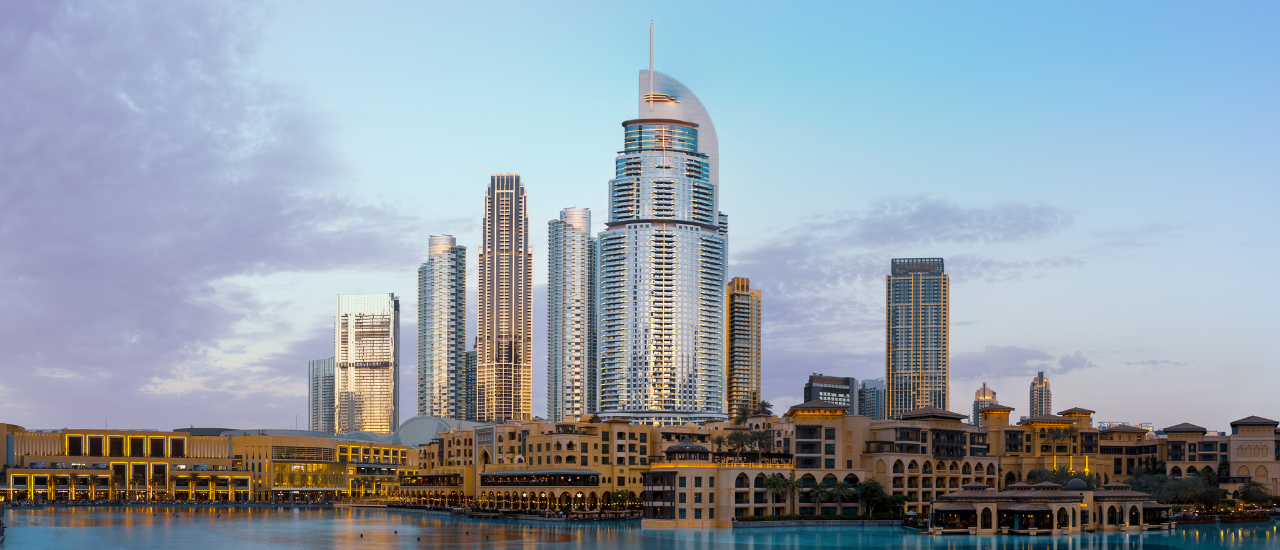
The Dubai off-plan property market 2026 remains a leading segment of the emirate’s real estate industry. Buyers are attracted by new communities, modern designs, structured payment plans and early unit selection. The market is also becoming more selective.
The Dubai off-plan property market 2026 remains a leading segment of the emirate’s real estate industry. Buyers are attracted by new communities, modern designs, structured payment plans and early unit selection. The market is also becoming more selective. Investors are paying closer attention to developer quality, construction progress, location, future supply and realistic exit strategies.
Dubai entered 2026 with strong transaction momentum. Dubai Land Department data showed that total real estate transactions reached AED 252 billion in the first quarter, representing a 31% annual increase in value. This shows continued confidence, although growing supply makes project selection increasingly important.
Understanding the Dubai Off-Plan Property Market in 2026
An off-plan property is purchased before construction is completed. Buyers usually reserve a unit, sign a Sales and Purchase Agreement and make instalment payments according to an agreed schedule. The property is handed over after completion and registration.
In 2026, off-plan apartments in Dubai remain especially prominent. Cavendish Maxwell reported that apartments accounted for 80.5% of off-plan transactions during the first quarter. The segment also includes studios, townhouses, villas, penthouses and branded residences.
Why Off-Plan Property Remains Popular
Staged payment structures support sustained demand. Instead of paying the full property value at once, buyers may make payments during construction and, in selected projects, after handover. However, a payment plan should be assessed according to total affordability rather than the initial booking amount.
Early buyers may receive a broader choice of layouts, views, floors and unit positions. A well-selected unit can be more attractive to future tenants or resale buyers. Modern developments often include smart-home features, wellness facilities, landscaped areas and coworking spaces.
Dubai off-plan investment opportunities are supported by expanding infrastructure, population growth, international connectivity and a supportive business environment. Nevertheless, appreciation is not guaranteed. Performance depends on entry price, completion quality, community maturity, competing supply and market conditions at resale or leasing.
Market Trends Shaping 2026
The first major trend is increased buyer selectivity. After rapid expansion, investors are comparing projects more carefully. Developer reputation, escrow protection, construction history and contract terms are becoming central purchasing considerations.
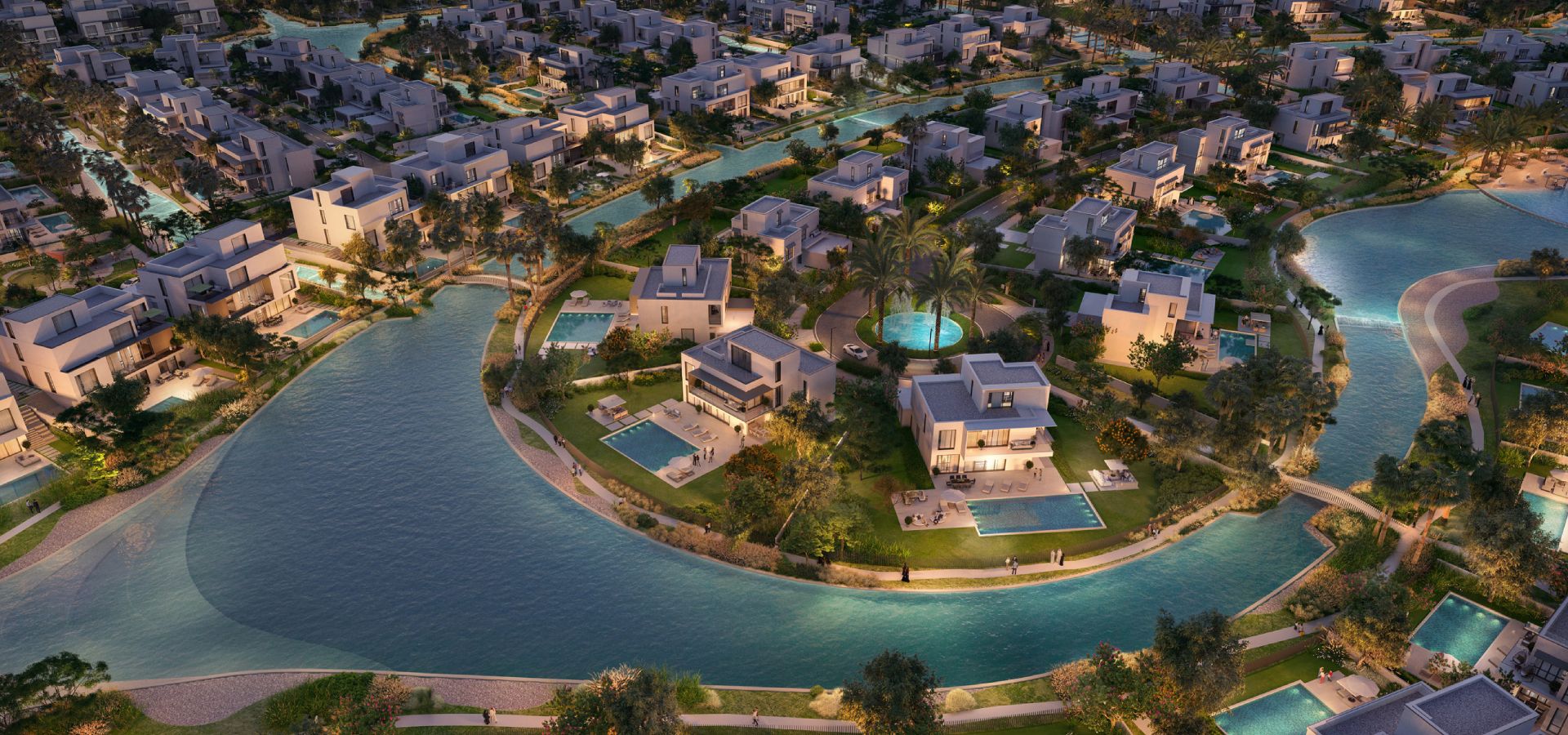
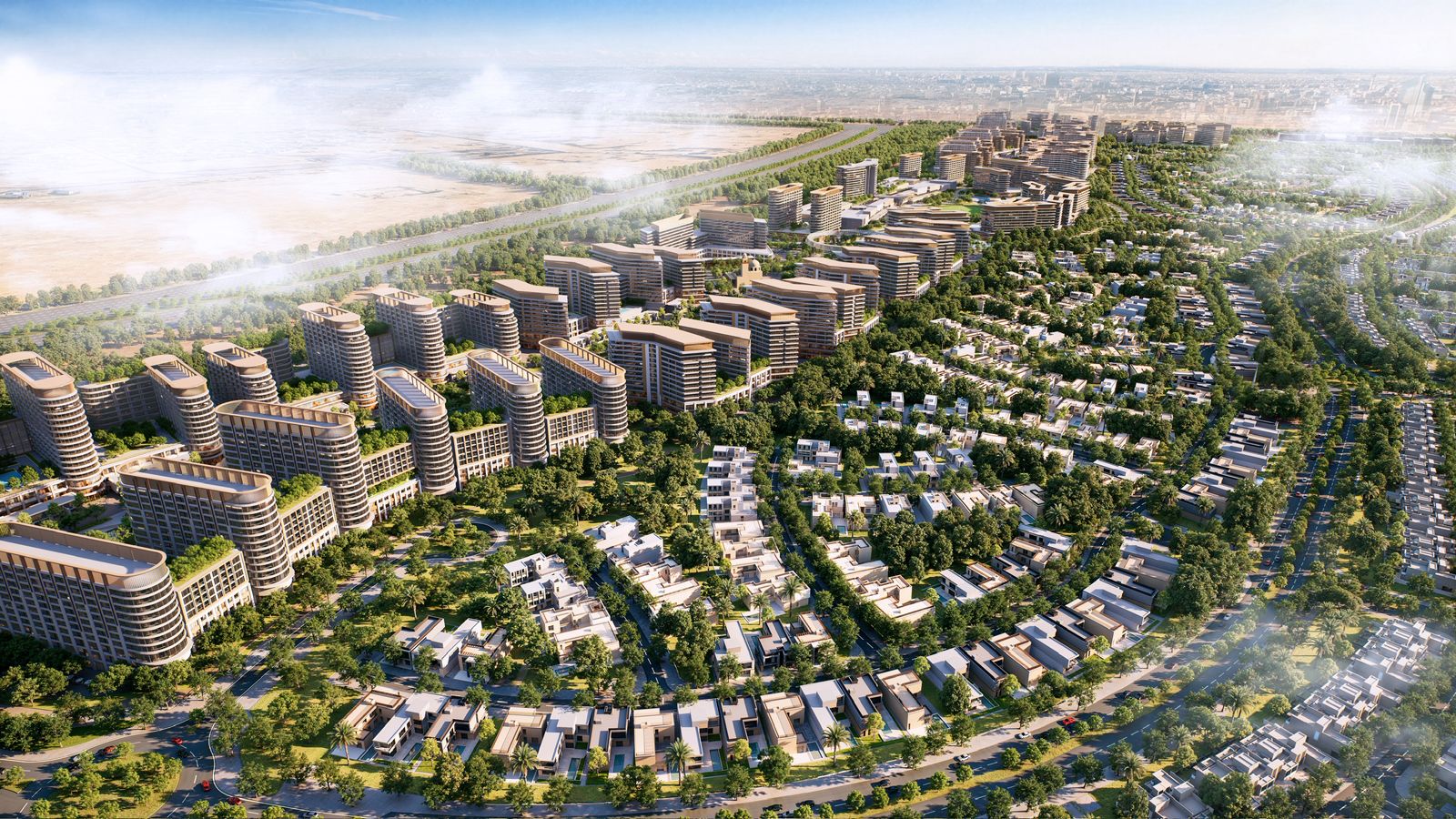
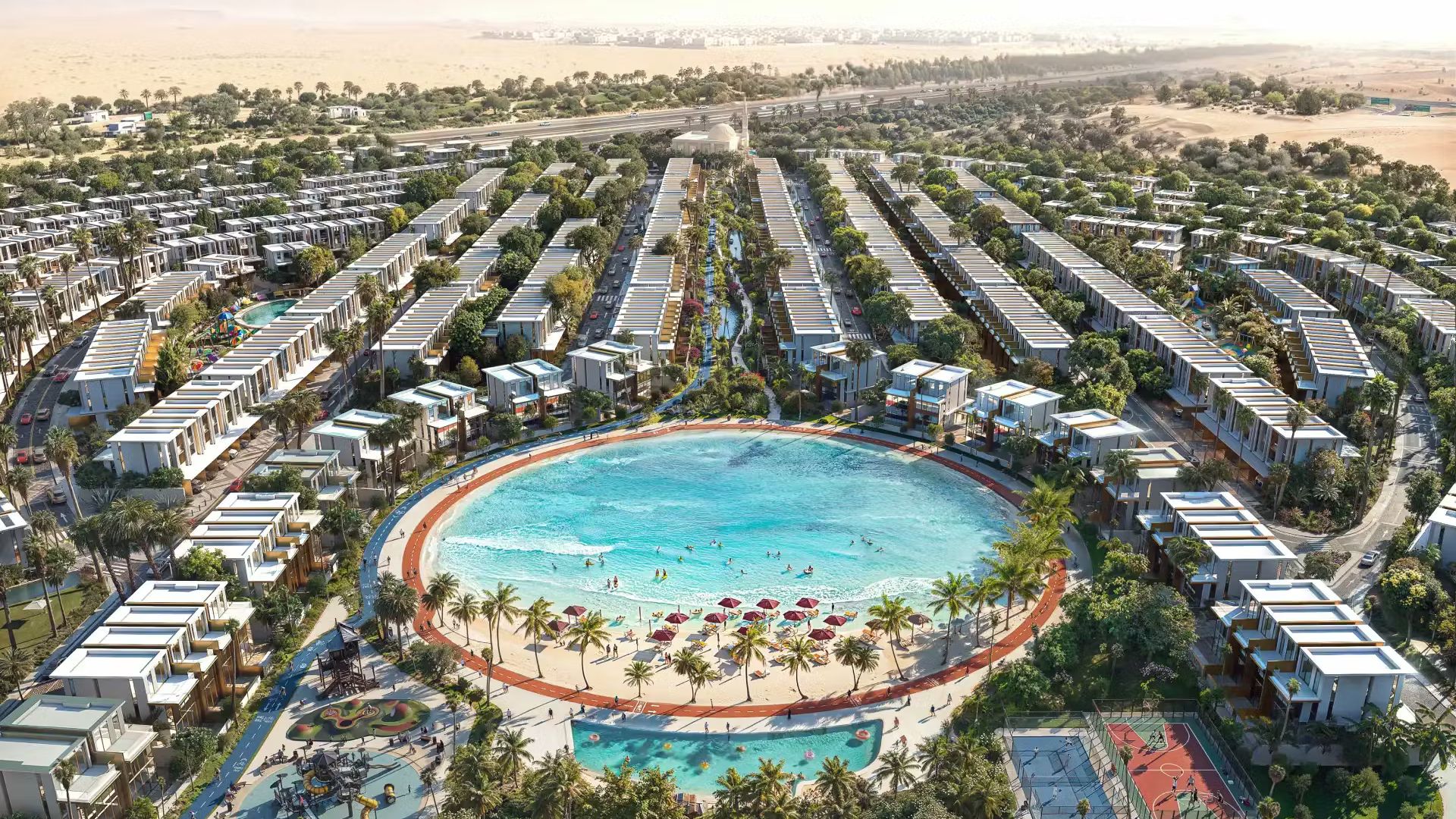
The second trend is the popularity of master-planned communities. Buyers increasingly prefer neighbourhoods offering parks, schools, retail, healthcare, leisure spaces and convenient road access. Well-planned communities may provide stronger long-term liveability than isolated buildings.
The third trend is interest in waterfront, branded and lifestyle-led residences. These projects can attract premium buyers, but purchasers should consider service charges, management fees and whether the branding or location creates lasting value.
Market normalisation is another trend. Research published during 2026 indicates that annual price growth has remained positive while shorter-term movements have become less consistent. Dubai property market trends 2026 are therefore moving towards a more selective environment where projects and locations may perform differently.
Areas Receiving Off-Plan Attention
Dubai South remains important because of its aviation, logistics, infrastructure and residential potential. It may appeal to buyers with a longer holding period.
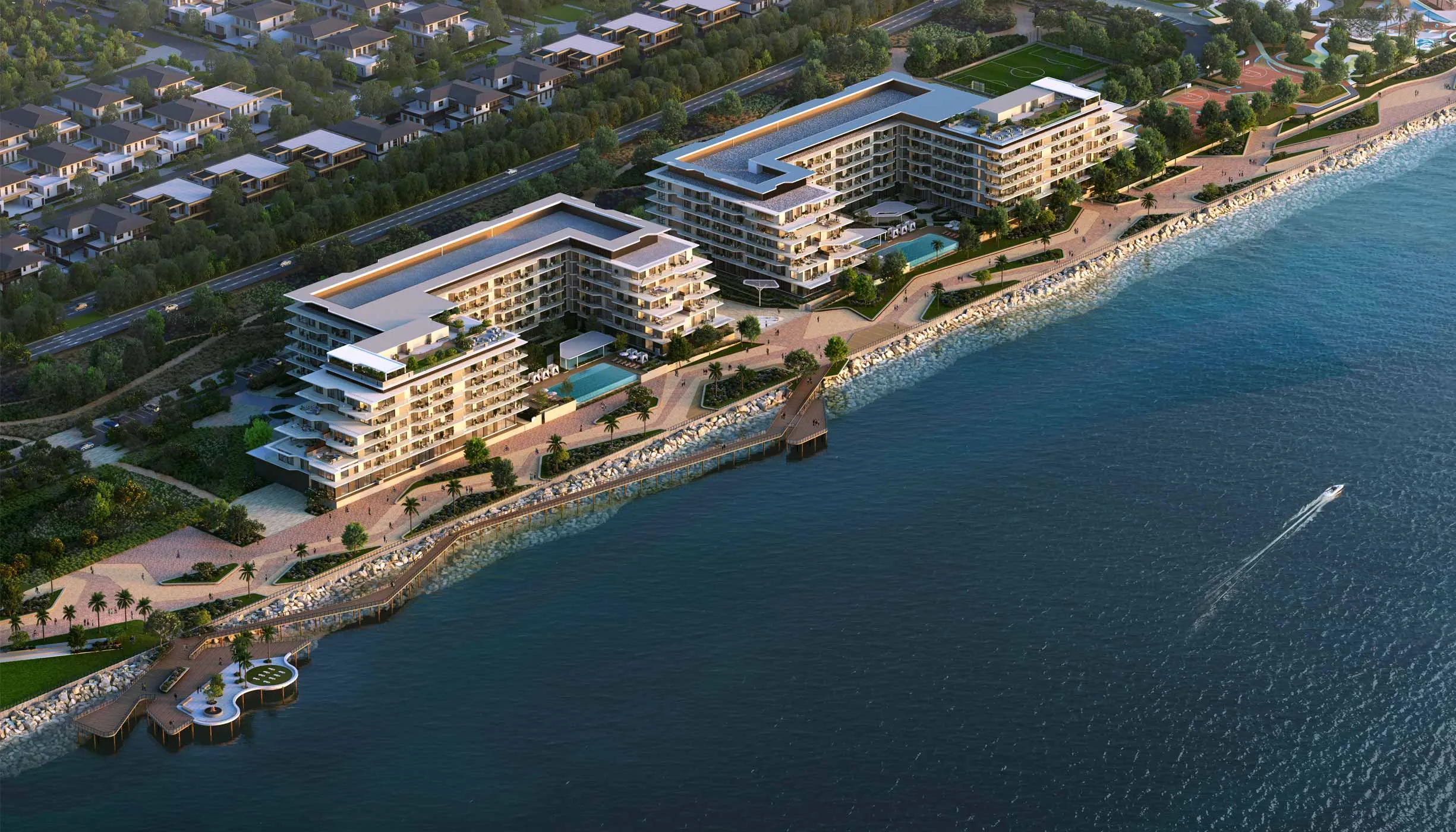
Dubai Islands is gaining attention for waterfront apartments, resorts, beaches and mixed-use developments. Buyers should compare project phases, developer experience and the delivery timeline of surrounding amenities.
Mohammed Bin Rashid City and Meydan offer central connectivity, modern residences and lifestyle-focused communities. Their proximity to business and leisure districts can support end-user and rental demand.
Dubai Hills Estate attracts families and investors through parks, schools, healthcare, retail and road connectivity. Jumeirah Village Circle remains active because of its apartment selection and rental market, although future supply, service charges and accessibility should be reviewed carefully.
The best off-plan projects in Dubai are not defined by popularity. The right location depends on the intended tenant, holding period, budget, property type and preferred level of risk.
What Buyers Should Check Before Purchasing
Buyers should confirm that the project and developer are registered with the relevant Dubai authorities. Payments should follow approved procedures and be made into the designated project escrow account where applicable.
The Sales and Purchase Agreement must be reviewed carefully. Important clauses include the payment schedule, expected completion date, grace period, cancellation terms, resale restrictions, specifications and procedures for handling changes or delays.
Investors should examine the floor plan, usable space, balcony size, parking allocation, orientation and view. A polished brochure may not reveal practical room dimensions or future obstructions.
The complete cost of ownership matters. Registration charges, agency fees where applicable, service charges, furnishing, maintenance, mortgage expenses and vacancy periods can affect the overall return.
A clear strategy is essential for Dubai real estate investment 2026. Buyers should decide whether the property is intended for personal use, long-term rental income, holiday-home operation or resale. Each objective requires a different location, layout and financial plan.
Balancing Opportunity with Careful Selection
The off-plan market offers access to new communities and modern property, but every launch will not perform equally. Future supply, construction delays, changing payment capacity and resale competition can influence results.
A stronger approach is to compare developments using consistent criteria: developer reliability, project registration, construction status, unit efficiency, payment obligations, infrastructure and likely demand at handover. Independent legal or financial advice may also be appropriate for significant transactions.
Explore Off-Plan Opportunities with Zamindaar Properties
Zamindaar Properties helps buyers navigate the Dubai off-plan property market 2026 through structured project comparisons and personalised guidance. Clients can evaluate developments according to location, property type, payment plan, expected handover, lifestyle features and long-term suitability.
Buyers can use informed market analysis to shortlist options aligned with their goals. Zamindaar Properties supports clients through project selection, unit comparison and the buying process.
Conclusion
The Dubai off-plan property market 2026 remains active, diverse and internationally attractive, but it is becoming more disciplined. Strong early-year transaction values show continuing confidence, while market normalisation highlights the importance of research and realistic expectations.
The most promising opportunities are likely to combine reliable development, practical layouts, sustainable payment commitments and genuine future demand. With careful due diligence and professional guidance, off-plan property can remain a valuable part of a long-term Dubai real estate strategy.