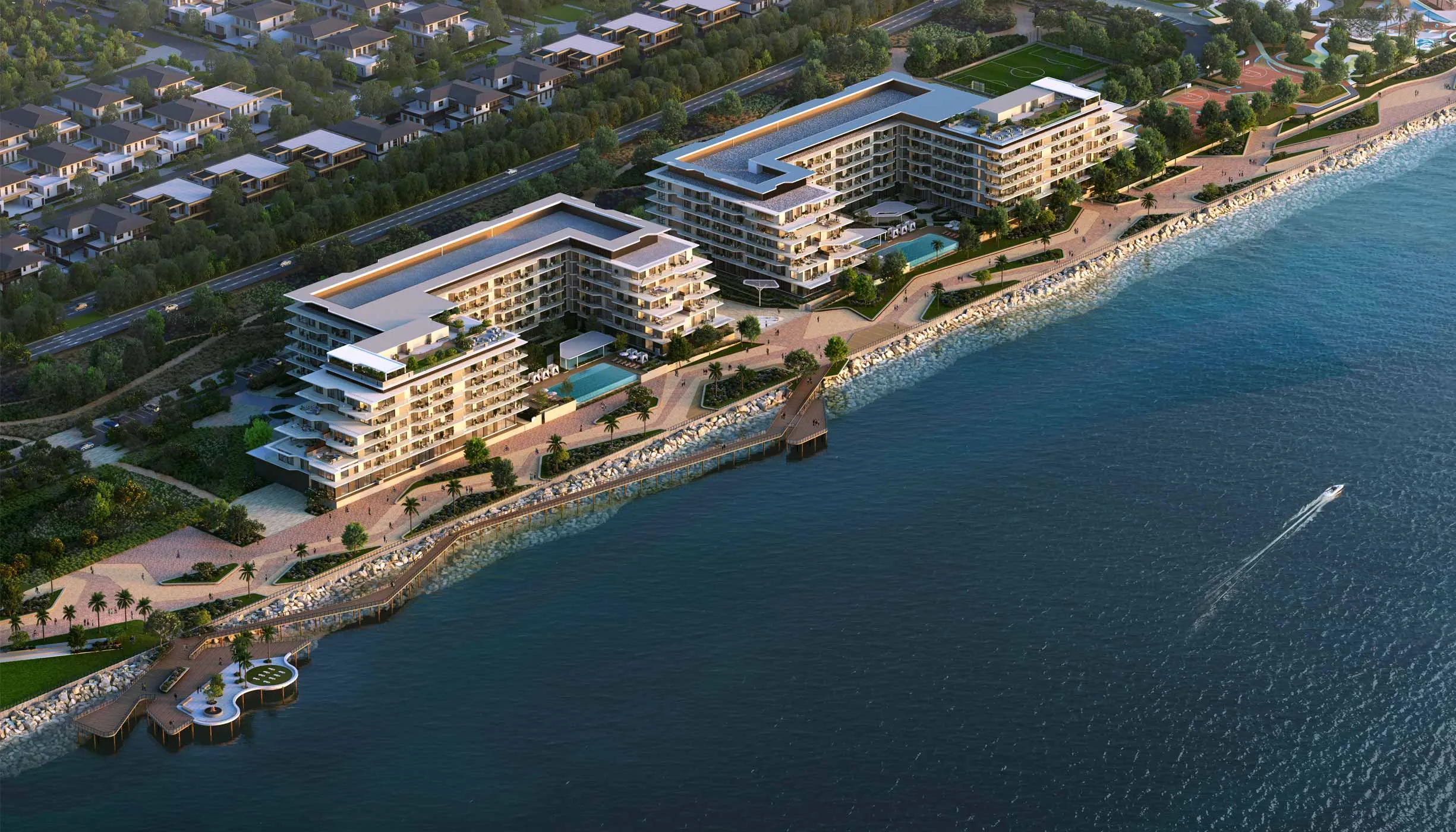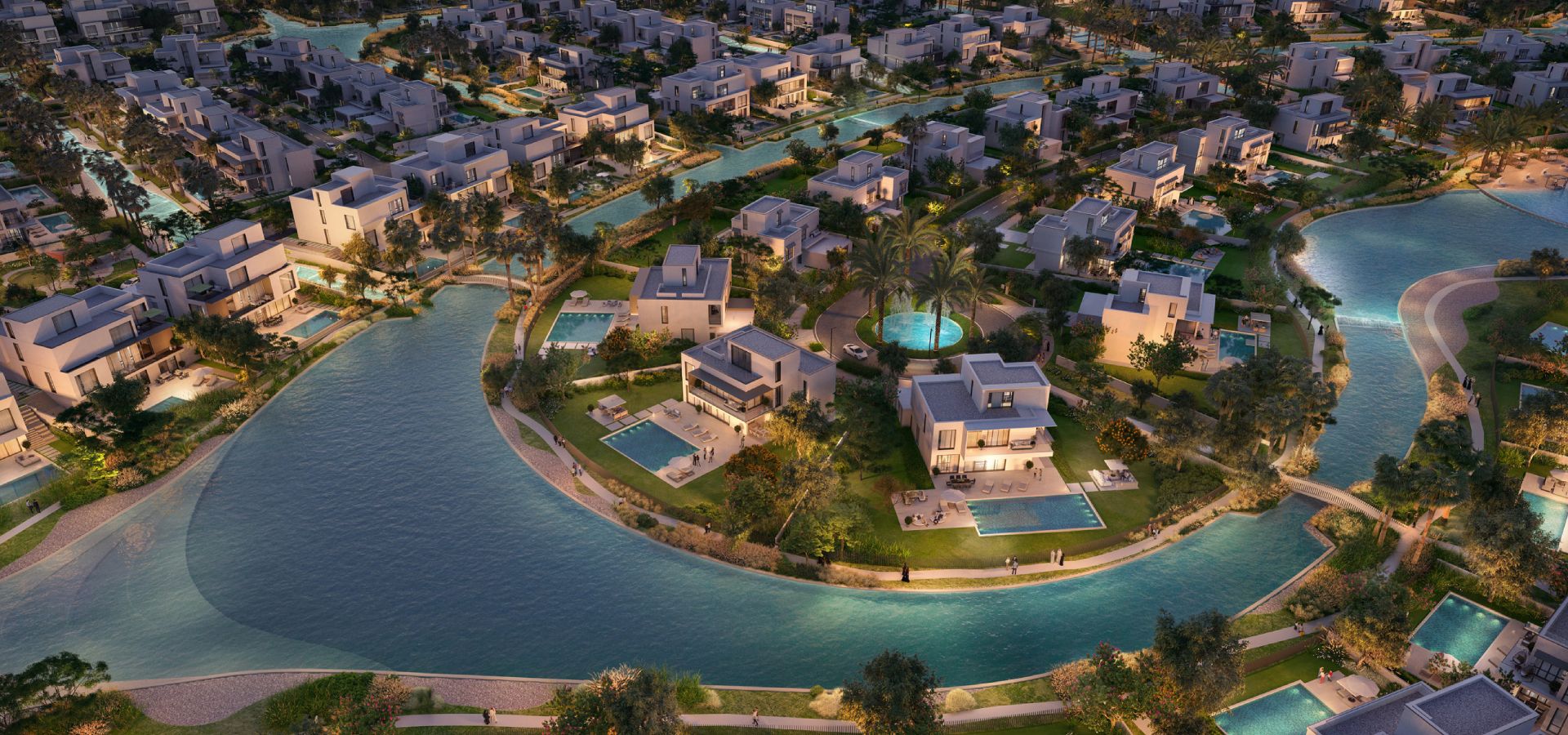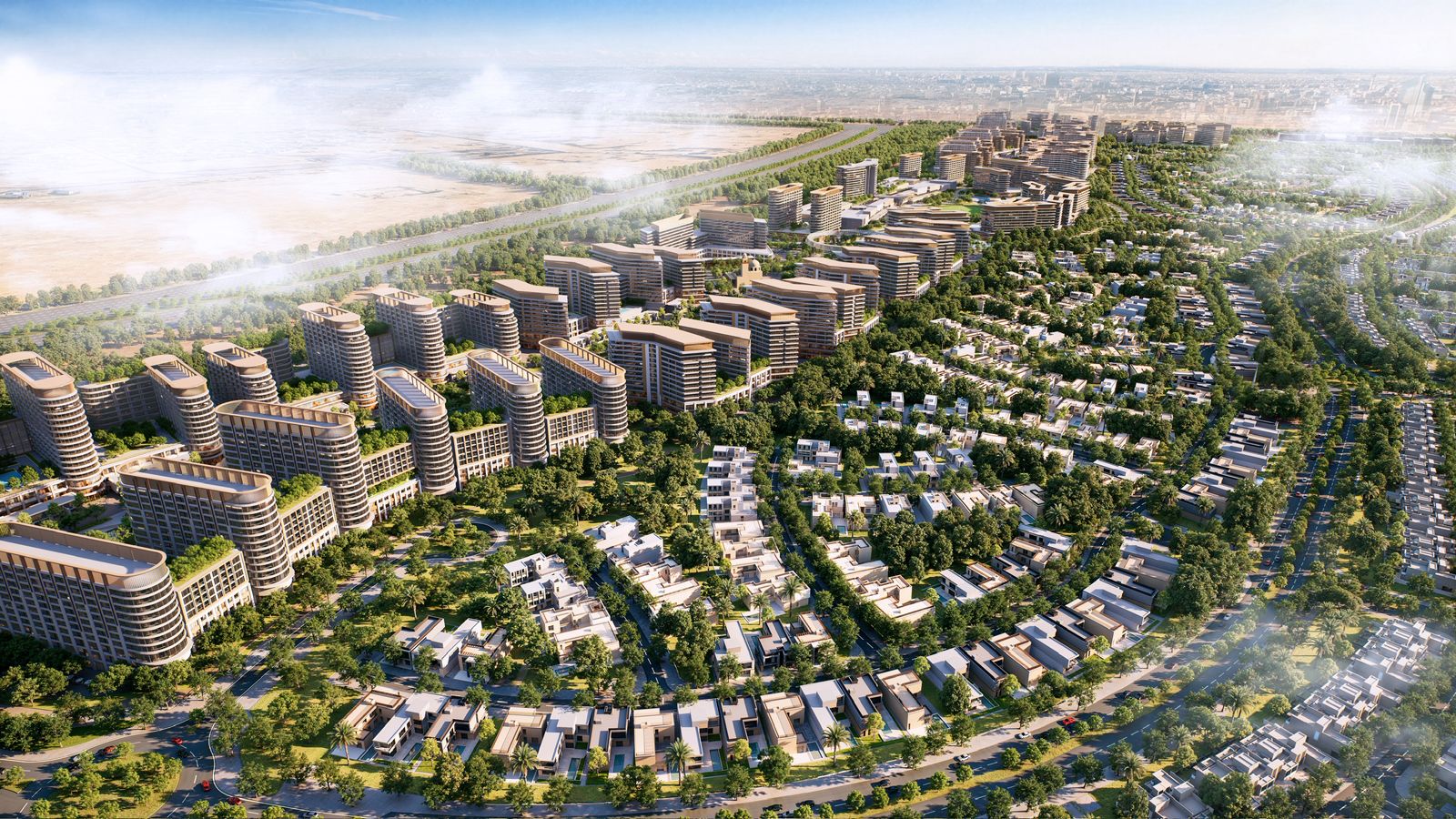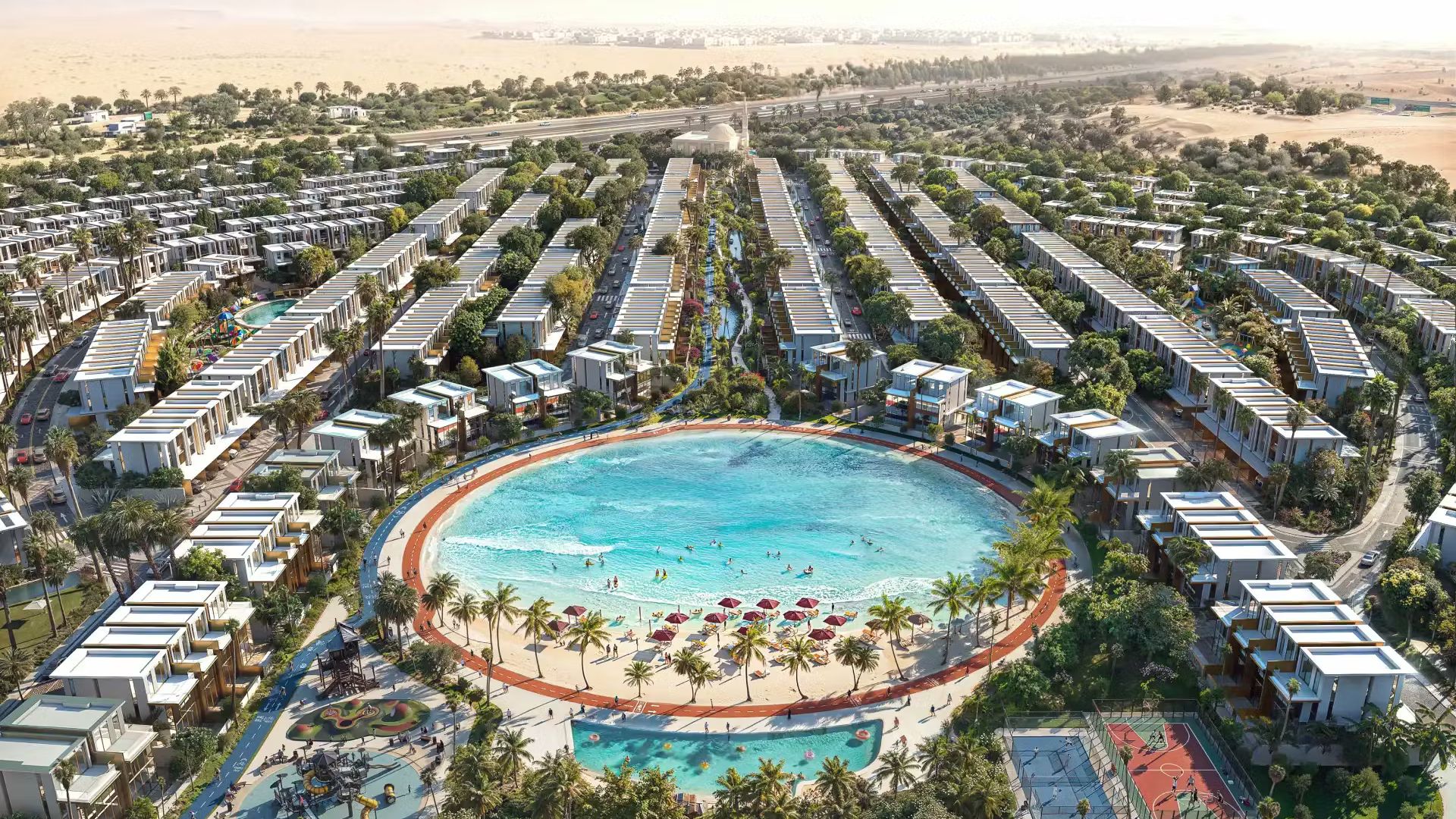
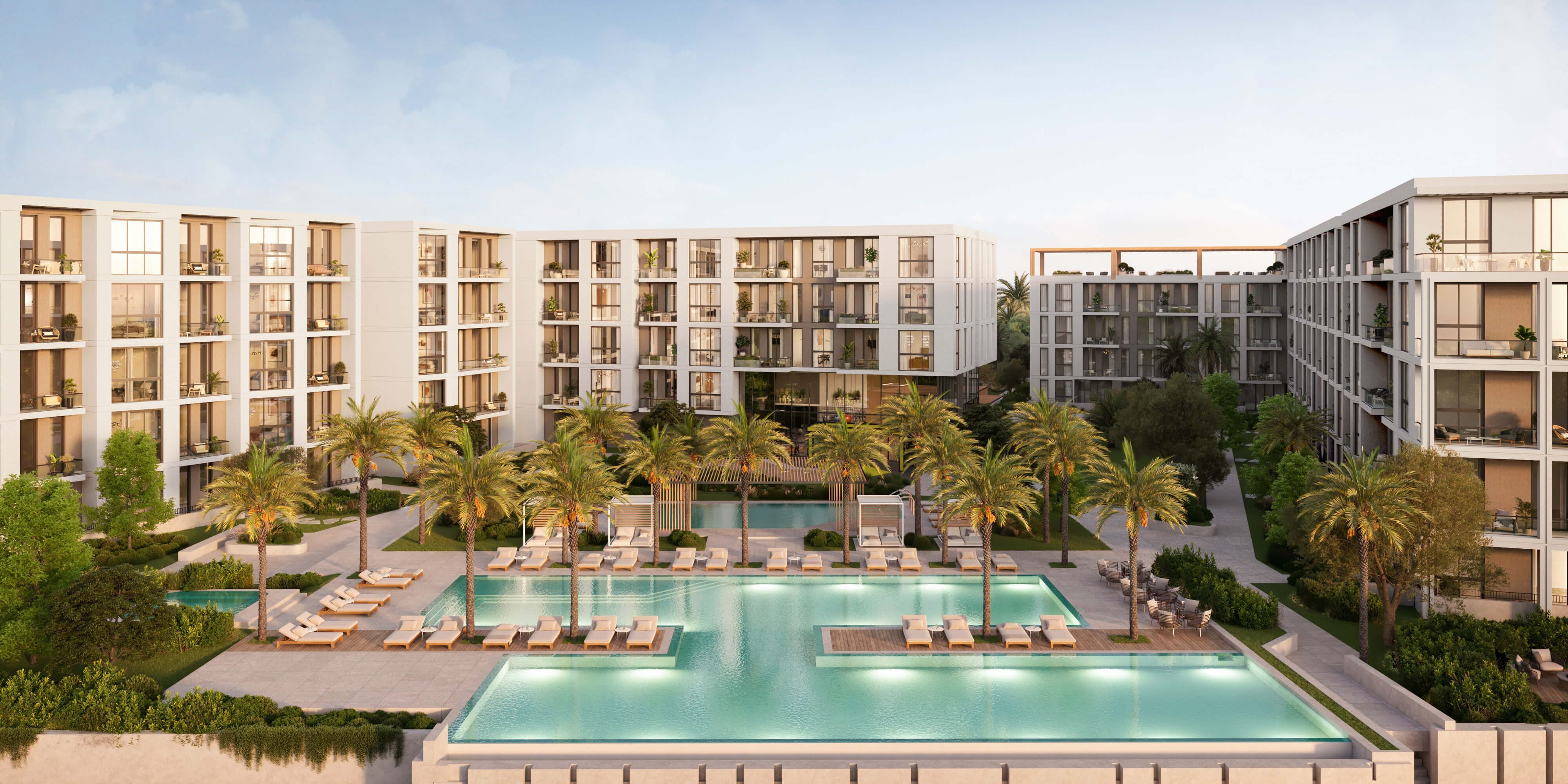
Dubai continues to attract property buyers from around the world with its modern infrastructure, investor-friendly environment and wide selection of residential developments. Among the available opportunities, freehold off-plan properties Dubai have become increasingly popular with international inv
Dubai continues to attract property buyers from around the world with its modern infrastructure, investor-friendly environment and wide selection of residential developments. Among the available opportunities, freehold off-plan properties Dubai have become increasingly popular with international investors, expatriates and end users seeking long-term ownership in one of the world’s most dynamic real estate markets.
Freehold off-plan properties allow eligible buyers to purchase a property during its planning or construction stage while obtaining full ownership after the project is completed and registered. From modern apartments and family townhouses to premium waterfront residences, Dubai offers numerous off-plan developments across established and emerging communities.
Understanding ownership rights, project registration, payment structures and developer credibility is essential before making a decision. This guide explains what buyers should know when exploring freehold off-plan properties in Dubai.
What Are Freehold Off-Plan Properties in Dubai?
A freehold property gives its owner complete ownership of the residential unit and the associated share of the land or common property, subject to the applicable laws and community regulations. The owner may occupy, lease, sell or transfer the property according to Dubai’s real estate procedures.
An off-plan property is purchased directly from a developer before construction is completed. Buyers usually select a unit based on the project plans, architectural designs, floor plans, location and proposed amenities.
Therefore, freehold off-plan properties Dubai combine two important advantages: purchasing during the development stage and receiving long-term ownership rights once the property is completed and properly registered.
Foreign residents and non-residents may purchase freehold properties in designated investment areas in Dubai. The official UAE government portal confirms that expatriates and foreign buyers can acquire freehold ownership rights in approved locations.
Why Consider Freehold Off-Plan Properties Dubai?
Off-plan freehold developments appeal to buyers because they provide access to newly planned communities, modern layouts and contemporary facilities. Many developments are designed around changing lifestyle expectations, including smart-home technology, energy-efficient systems and integrated community amenities.
Greater Choice of Properties
Purchasing during an early development stage may give buyers a broader selection of units. Depending on availability, buyers may be able to choose their preferred floor, view, layout, orientation or building location.
This can be particularly important for investors looking for units with features that may support future rental demand or resale potential.
Flexible Payment Structures
Developers commonly offer structured payment plans that divide payments across different construction milestones. These arrangements may help buyers manage their property investment over an extended period rather than paying the complete amount immediately.
Payment schedules differ between projects, so buyers should carefully understand the booking payment, construction-linked instalments, handover payment and any post-handover obligations.
Modern Community Planning
New off-plan communities are generally designed with long-term urban development in mind. Projects may include landscaped spaces, retail outlets, schools, healthcare facilities, fitness centres, swimming pools, walking paths and convenient transport connections.
Buying in a carefully planned community can provide both lifestyle value and potential long-term investment benefits.
Potential Capital Appreciation
A property purchased during the early development stage may increase in value as construction progresses, surrounding infrastructure develops and the community becomes more established.
However, capital appreciation is never guaranteed. Buyers should evaluate the project’s location, developer reputation, supply levels, completion timeline and expected demand before making an investment decision.
Popular Locations for Freehold Off-Plan Properties
Dubai has numerous designated freehold areas offering different lifestyles and property types. Buyers can find opportunities in waterfront destinations, central business districts, family communities and developing investment zones.
Dubai Marina, Downtown Dubai and Business Bay attract buyers seeking centrally located apartments near commercial, leisure and entertainment destinations. Palm Jumeirah and Dubai Harbour appeal to buyers interested in premium coastal living.
Dubai Hills Estate, Arabian Ranches, DAMAC Hills and Jumeirah Golf Estates are known for spacious homes, landscaped surroundings and family-oriented facilities. Jumeirah Village Circle offers a wide selection of apartments and townhouses with access to everyday services.
Emerging areas such as Dubai South, Dubai Creek Harbour, Dubai Islands, Mohammed Bin Rashid City and Dubailand also provide various off-plan investment opportunities in Dubai. The right location depends on the buyer’s budget, investment objective, preferred property type and expected holding period.
How Are Off-Plan Buyers Protected?
Dubai’s off-plan property sector is regulated by the Dubai Land Department and the Real Estate Regulatory Agency. Developers selling off-plan units are required to follow project registration and escrow account procedures.
Dubai Land Department states that developers receiving payments from purchasers for off-plan units are covered by the escrow account law. A registered project must have an approved escrow account for payments associated with off-plan sales.
The initial sale of an off-plan unit is registered in Dubai’s provisional property register, commonly associated with the Oqood registration process. Dubai Land Department provides a service allowing developers to register units sold before completion.
Buyers can also use the Dubai REST application to access information such as construction progress, project images, payment details and escrow account information for registered developments.
These systems improve transparency, but buyers must still conduct independent due diligence before signing an agreement.
Steps to Buy a Freehold Off-Plan Property
The first step is to define the purpose of the purchase. A buyer seeking a family residence may prioritise space, schools and community facilities, while an investor may focus on rental demand, accessibility and resale potential.
The next step is to compare locations and registered developments. Buyers should research the master developer, construction record, previous handovers and overall quality of completed projects.
After selecting a project, review the available units, floor plans, expected completion date and payment schedule. The reservation form and Sale and Purchase Agreement should clearly state the unit details, payment obligations, handover terms, cancellation conditions and responsibilities of each party.
All payments should be made through authorised channels connected to the registered project. Buyers should retain copies of payment receipts, contracts and official correspondence.
Before proceeding, it is also advisable to confirm:
- Whether the project is registered with the relevant authorities
- Whether the developer and broker are properly licensed
- Whether the unit is located in a designated freehold area
- Whether the payment is being transferred to the correct escrow account
- Whether the contract explains delays, handover and termination conditions
- Whether service charges and community obligations have been reviewed
Legal and financial advice may be valuable when the buyer is unfamiliar with Dubai property regulations.
Are Freehold Off-Plan Properties Suitable for Investors?
Freehold off-plan properties may suit investors looking for newly built assets, structured payments and access to developing communities. Properties near employment centres, transport connections, schools, tourism destinations and major infrastructure projects may experience consistent demand.
Investors should calculate the complete ownership cost rather than considering only the initial property value. Registration charges, administrative expenses, financing costs, service charges and furnishing requirements may affect the overall return.
Rental yield estimates should also be based on realistic market evidence. Investors should compare similar completed properties in the same area and consider future supply before relying on projected rental income.
Why Choose Zamindaar Properties?
Choosing the right property requires more than reviewing brochures and promotional materials. Buyers need clear market information, project comparisons and guidance suited to their individual objectives.
Zamindaar Properties helps clients explore freehold apartments in Dubai, off-plan townhouses, villas and investment properties across carefully selected communities. The team supports buyers through project selection, unit comparison, developer evaluation and transaction coordination.
Whether the objective is rental income, long-term appreciation or personal use, Zamindaar Properties focuses on helping buyers make informed and confident property decisions.
Conclusion
Freehold off-plan properties Dubai provide international and local buyers with an opportunity to secure long-term ownership in newly developed residential communities. The combination of modern construction, diverse locations, structured payment options and regulated transaction processes makes this segment attractive to different types of buyers.
Successful off-plan investment depends on careful research. Buyers should verify project registration, study the developer’s record, understand the Sale and Purchase Agreement and evaluate the community’s long-term potential.
With professional guidance from Zamindaar Properties, buyers can compare suitable developments and select a property that aligns with their lifestyle, financial plans and investment goals.