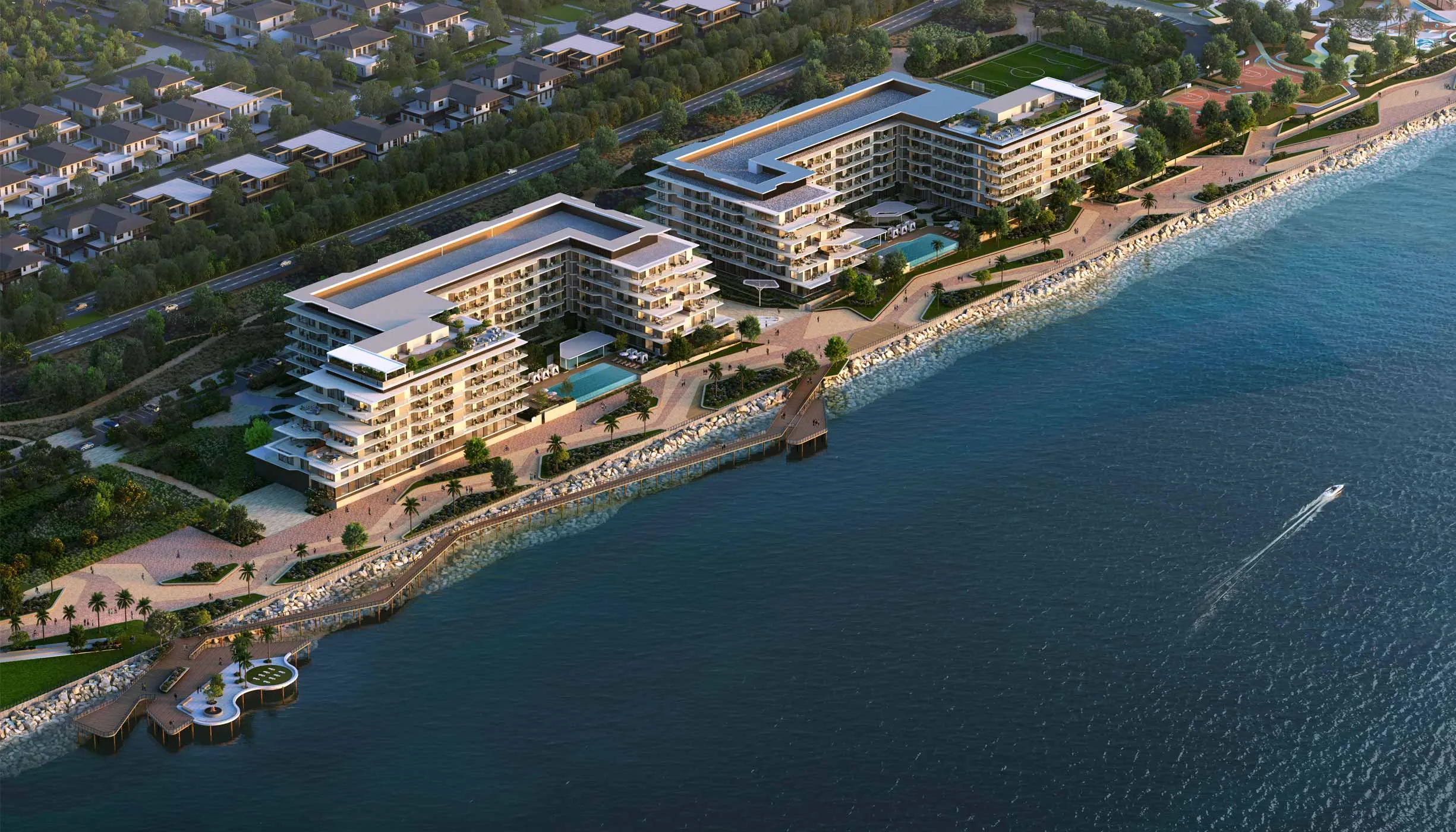

Dubai is one of the world’s most attractive destinations for international property buyers. Modern infrastructure, investor-friendly regulations, high-quality developments and flexible payment plans make the city appealing to first-time buyers and experienced investors. For overseas purchasers,
Dubai is one of the world’s most attractive destinations for international property buyers. Modern infrastructure, investor-friendly regulations, high-quality developments and flexible payment plans make the city appealing to first-time buyers and experienced investors. For overseas purchasers, buying an off-plan property offers access to newly launched homes before construction is completed.
This guide explains how off-plan property for foreigners Dubai works, who can buy, the checks buyers should complete and how Zamindaar Properties can support the purchase process.
Can Foreigners Buy Off-Plan Property in Dubai?
Yes, foreign nationals can buy off-plan property in Dubai within designated freehold areas. Buyers do not need to be UAE citizens, and both residents and non-residents can purchase eligible apartments, villas and townhouses.
Popular freehold locations include Dubai Marina, Downtown Dubai, Business Bay, Jumeirah Village Circle, Dubai Hills Estate, Palm Jumeirah and Dubai Creek Harbour. Before signing an agreement, buyers should confirm that the selected project is in an area where foreign ownership is permitted.
What Is an Off-Plan Property?
An off-plan property is purchased before construction is finished. Buyers may reserve a unit during the launch stage and pay through a construction-linked or date-based payment plan.
Buying early may provide a wider choice of layouts, views and floors. However, buyers should assess the developer, project registration, expected completion timeline and contract conditions instead of choosing a unit only because of promotional offers.
Why Foreign Buyers Choose Dubai Off-Plan Property
A major attraction of off-plan property for foreigners Dubai is payment flexibility. Developers often provide staged plans, reducing the need to pay the full amount immediately.
New projects may also include modern architecture, smart-home features, landscaped spaces, leisure facilities and community amenities. Buyers can choose from studios, family apartments, waterfront residences, villas and townhouses.
Off-plan property may offer capital appreciation if the project and surrounding community develop successfully. This is not guaranteed, so buyers should evaluate location, future supply, developer quality and long-term demand.
Investors planning to rent the property should review connectivity, nearby business districts, schools, shops, transport links and the maturity of the community.
Legal Protection for Off-Plan Buyers
Dubai’s off-plan sector is regulated by the Dubai Land Department and the Real Estate Regulatory Agency. Developers selling off-plan units must follow project registration and escrow-account requirements.
Payments for registered off-plan developments are generally directed to a designated project escrow account. The Dubai Land Department explains that the escrow framework applies to developers selling units before completion and is designed to regulate project funds.
The initial sale should also be registered in the provisional property register. The Dubai Land Department describes this registration service as covering off-plan units or plots whose value has not yet been fully paid.
Buyers can also use Dubai REST to review information such as project completion, actual images, escrow details and payment information.
Step-by-Step Buying Process
The first step is to define the purpose of the purchase. A rental investor may prioritise tenant demand and connectivity, while an end user may focus on space, schools and lifestyle facilities.
Next, establish a complete budget. Consider the property value, registration-related charges, administrative costs, agency fees where applicable, service charges and furnishing expenses.
The buyer should then compare projects and developers. Important factors include delivery history, construction quality, master plan, payment schedule, unit size, location and resale conditions.
After selecting a unit, the buyer normally provides identification documents, signs a reservation form and pays the booking amount. The Sale and Purchase Agreement should then be reviewed carefully. It sets out the payment schedule, unit details, expected completion terms and the responsibilities of both parties.
The sale should be registered through the appropriate Dubai Land Department process. Buyers should make payments only through authorised channels stated in the official documentation and retain every receipt.
Before handover, the property should be inspected for defects. Visible issues can be recorded through a snagging inspection and submitted to the developer for correction according to the contract.
Documents Foreign Buyers May Need
Foreign buyers commonly need a valid passport, contact details, proof of address and completed reservation or compliance forms. UAE residents may also provide an Emirates ID and residence visa.
Further documents may be requested depending on nationality, payment method, source-of-funds checks or whether the purchase is made through a company. The name shown in all transaction documents should match the buyer’s official identification.
Important Checks Before Buying
Confirm that the project and developer are registered with the relevant Dubai authorities. Verify the escrow account and review the official construction status. The Dubai Land Department provides a project-status enquiry service through Dubai REST for this purpose.
Read the Sale and Purchase Agreement carefully, especially clauses covering completion dates, permitted delays, payment defaults, unit-size changes, cancellation, resale restrictions and handover requirements.
Buyers should also study the wider master plan. Future roads, public transport, schools, commercial areas, competing supply and community facilities can affect rental demand and resale value.
Independent legal, mortgage and tax advice may be useful, particularly for buyers living abroad or using a corporate ownership structure.
Can Non-Residents Get Property Finance?
Mortgage availability for non-residents depends on the bank, buyer profile, project eligibility, construction stage and lending rules. Off-plan financing may be more limited than finance for completed property.
Buyers planning to use a mortgage should seek guidance early and should not assume that future approval is guaranteed. The payment plan should remain affordable even if lending terms change.
Common Mistakes Foreign Buyers Should Avoid
International buyers should avoid selecting a property based only on attractive marketing material. Developer reputation, construction quality, project registration and community demand are equally important.
Another common mistake is failing to calculate the complete ownership cost. Buyers should consider registration charges, service fees, maintenance expenses, furnishing costs and potential mortgage-related expenses.
Foreign investors should also avoid transferring money to unofficial accounts. All payments should follow the authorised payment instructions mentioned in the reservation documents and Sale and Purchase Agreement.
Finally, buyers should understand their resale options. Some developers may require a certain percentage of the property value to be paid before allowing the unit to be transferred to another buyer.
Choosing the Right Dubai Community
The most suitable community depends on the buyer’s objective. Investors seeking rental demand may prefer areas close to employment centres, universities, tourist attractions or public transport.
Families may prioritise larger homes, schools, parks, healthcare facilities and quieter residential environments. Buyers seeking long-term appreciation may consider developing communities supported by infrastructure investment and master-planned amenities.
Instead of selecting a project only because it has a lower entry point, buyers should examine how the wider area may develop before the expected handover date.
Why Choose Zamindaar Properties?
Buying remotely can be difficult when comparing developers, communities and payment schedules. Zamindaar Properties helps international clients shortlist off-plan opportunities based on their budget, preferred location, investment purpose and expected holding period.
The team supports project comparison, unit selection, developer research, documentation coordination and transaction guidance. Instead of focusing only on launch promotions, Zamindaar Properties helps buyers evaluate location quality, project fundamentals and long-term suitability.
With professional market guidance, foreign buyers can reduce confusion, compare suitable developments and make decisions aligned with their financial and lifestyle objectives.
Conclusion
Buying off-plan property for foreigners Dubai can be a practical route to owning a modern home or investment property. Foreign nationals can purchase in designated freehold areas, but each decision should be supported by project verification, contract review and realistic financial planning.
The strongest purchases are made when buyers understand the developer, location, payment obligations, registration process and handover terms. With careful due diligence and professional support from Zamindaar Properties, international buyers can approach Dubai’s off-plan market with greater clarity and confidence.