
UAE real estate attracts residents, families, international buyers and investors seeking homes and commercial opportunities in a modern, globally connected market.
UAE real estate attracts residents, families, international buyers and investors seeking homes and commercial opportunities in a modern, globally connected market. The sector includes apartments, villas, townhouses, penthouses, plots, offices and retail units across Dubai, Abu Dhabi, Sharjah, Ras Al Khaimah, Ajman and other Emirates.
UAE real estate offers a choice between established communities and newly launched master-planned developments. Some purchasers focus on personal use, while others seek rental income, long-term capital growth or portfolio diversification. A successful purchase begins with clear objectives, realistic budgeting and careful comparison.
Zamindaar Properties helps clients explore UAE real estate according to budget, preferred Emirate, property type, lifestyle expectations and investment strategy. Professional guidance can simplify project comparisons, explain ownership structures and identify suitable opportunities without overwhelming buyers with unsuitable choices.
Understanding the UAE Property Market
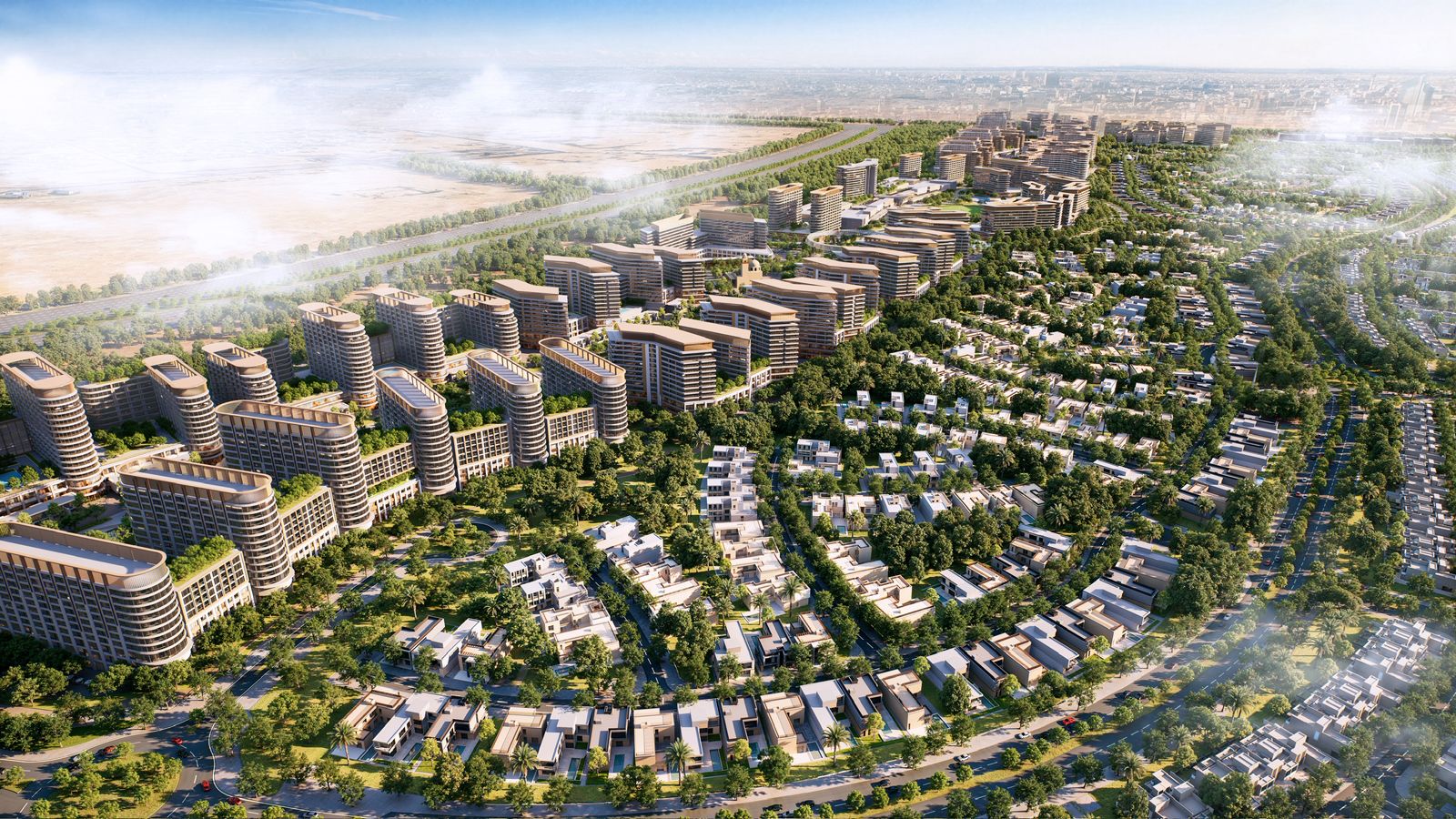
UAE real estate is not a single uniform market because every Emirate has its own communities, authorities, regulations and development priorities. Dubai is known for major off-plan launches and an active resale market, while Abu Dhabi offers island communities, family neighbourhoods and premium waterfront developments.
UAE real estate in Sharjah, Ajman and Ras Al Khaimah provides further options for buyers seeking family-focused communities, accessible entry points or tourism-led demand. Buyers should compare each Emirate according to ownership eligibility, infrastructure, tenant profiles, future supply and long-term development plans.
Types of UAE Real Estate
Apartment-based UAE real estate ranges from studios and one-bedroom units to family apartments, duplexes, serviced residences and penthouses. Apartments can suit professionals, couples, first-time buyers and investors because they are available in business districts, waterfront destinations and suburban communities.
When comparing apartment-based UAE real estate, buyers should assess usable space, floor level, balcony size, orientation, view, parking and service charges. Building maintenance, management standards, security, amenities and access to daily services can also influence rental and resale demand.
Villa-focused UAE real estate appeals to families and luxury buyers seeking privacy, outdoor space and larger interiors. Depending on the community, villas may include private gardens, pools, maid’s rooms, family lounges, covered parking and views of parks, golf courses or waterfronts.
Luxury UAE real estate includes branded residences, waterfront penthouses, golf-course mansions and beachfront villas. Buyers should compare design quality, unit scarcity, view protection, privacy, management standards and ownership costs rather than selecting a property based only on branding.
Off-Plan, Ready and Resale Properties
Off-plan UAE real estate is purchased before construction is completed and may offer staged payment plans, early unit selection and access to newly launched projects. Buyers can often choose between floors, views and layouts during the initial sales stage, depending on availability.
Before purchasing off-plan UAE real estate, buyers should review the developer’s delivery history, project registration, payment schedule, specifications, handover date and resale conditions. The purchase agreement should clearly explain payment obligations, completion terms, delay provisions and the responsibilities of both parties.
Ready UAE real estate can normally be inspected before purchase, allowing buyers to assess the actual property, view, building condition, amenities and surrounding community. Ready homes may suit end users seeking immediate occupancy and investors wanting earlier rental income.
Resale UAE real estate may include vacant homes, tenanted properties, upgraded units or off-plan contracts transferred by existing buyers. Purchasers should check ownership records, outstanding service charges, mortgage status, tenancy terms and required transfer approvals before completing the transaction.
Leading UAE Real Estate Markets
Dubai UAE real estate offers apartments, villas, townhouses, branded residences and off-plan developments across communities such as Downtown Dubai, Dubai Marina, Palm Jumeirah, Business Bay, Dubai Hills Estate, Jumeirah Village Circle and Dubai South.
Abu Dhabi UAE real estate includes waterfront apartments, luxury villas and family communities across Yas Island, Saadiyat Island, Al Reem Island and Al Raha Beach. Buyers should compare accessibility, community maturity, service charges and tenant demand.
Sharjah UAE real estate may appeal to families seeking larger homes, cultural surroundings and convenient access to Dubai. Communities such as Aljada, Masaar and Maryam Island offer apartments, villas, townhouses and new development opportunities for different budgets.
Ownership and Legal Considerations
UAE real estate ownership structures differ according to the Emirate, location and buyer’s eligibility. International purchasers may buy freehold property in designated areas, while other locations can provide leasehold or alternative rights under applicable regulations.
Freehold UAE real estate generally gives eligible buyers full ownership rights within designated zones, including the ability to occupy, lease or resell the asset. Buyers should still confirm the legal status of the property and understand relevant developer or community conditions.
The legal process for UAE real estate may involve a reservation form, Sale and Purchase Agreement, ownership registration, payment verification and title documentation. Requirements differ between off-plan, ready, mortgaged and resale purchases, so every transaction should be evaluated individually.
Due diligence for UAE real estate should include verifying the property, developer, broker, payment destination, ownership status and transaction documents. Buyers should also confirm the exact unit, floor plan, view, handover conditions, annual charges and restrictions affecting resale or leasing.
Financing and Buying Costs
Mortgage-supported UAE real estate purchases require careful financial preparation. Buyers should consider the down payment, lending eligibility, valuation, interest rate, repayment period, monthly instalments and bank charges before making a commitment.
Developer payment plans can make off-plan UAE real estate more accessible by dividing the price across booking, construction, handover and sometimes post-handover stages. Buyers should ensure every instalment remains affordable without depending on an uncertain resale or future loan approval.
The advertised value of UAE real estate is not the complete cost of ownership. Buyers should budget for registration, agency commission, transfer charges, mortgage expenses, administration, service charges, insurance, maintenance, furnishing and property management.
Understanding the total cost of UAE real estate helps buyers compare properties accurately. A lower-priced home with high annual expenses may offer weaker long-term value than a better-managed property with a slightly higher purchase price and lower ongoing costs.
Investment Potential
Investment-focused UAE real estate should be evaluated according to net rental return rather than headline yields. Expected rent should be reduced by service charges, maintenance, management fees, furnishing expenses, financing costs and possible vacancy periods.
Capital appreciation in UAE real estate can be influenced by infrastructure, community maturity, location demand, developer reputation, limited supply and future project delivery. Buyers should compare current prices with similar completed properties and relevant transaction evidence.
The resale potential of UAE real estate depends on layout efficiency, condition, view, floor level, community reputation, annual costs and the size of the future buyer pool. Practical properties in connected locations may offer stronger liquidity than specialised homes with limited demand.
Lifestyle and Community Factors
Family-focused UAE real estate should be assessed according to schools, healthcare, parks, supermarkets, security and commuting requirements. A community with practical daily services may provide stronger long-term appeal than a development offering impressive facilities but limited convenience.
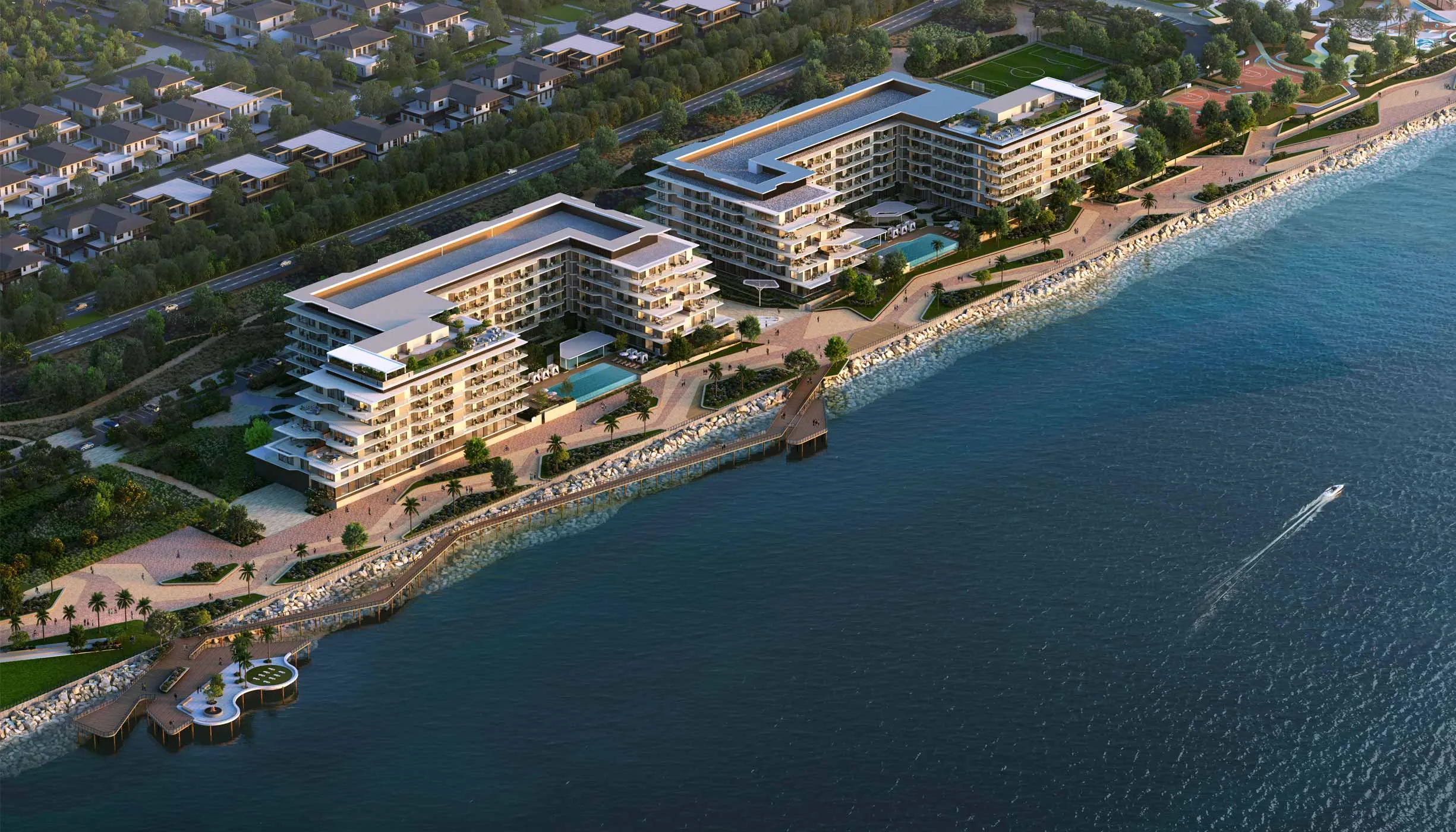
Waterfront UAE real estate can offer sea, marina, creek or lagoon views together with promenades, beaches and leisure facilities. Buyers should verify the unit orientation and investigate whether future construction could affect the view, privacy or access.
Why Choose Zamindaar Properties?
Zamindaar Properties helps buyers navigate UAE real estate by comparing apartments, villas, townhouses, off-plan developments, ready homes and investments across different Emirates. The process begins with understanding the client’s budget, purpose, preferred lifestyle and holding period.
Clients working with Zamindaar Properties can evaluate UAE real estate according to developer quality, payment structure, floor-plan efficiency, community facilities, ownership costs, rental prospects and resale potential. Transparent comparisons reveal the advantages and limitations of each option.
Zamindaar Properties supports buyers throughout the UAE real estate selection process with clear information about projects, communities, property types and payment obligations. This guidance helps end users choose practical homes and assists investors in developing disciplined property strategies.
F A Q
1. Can Foreign Buyers Purchase Property in the UAE?
Foreign buyers can purchase UAE real estate in designated ownership areas, subject to the rules of the relevant Emirate and the legal status of the property. Eligibility and transaction requirements should be verified before proceeding.
2. Is Off-Plan Property a Good Investment?
Off-plan UAE real estate may offer flexible payments and potential value growth, but suitability depends on the developer, location, price, construction progress, future supply and expected demand after handover.
3. Which Emirate Is Best for Property Investment?
The best UAE real estate market depends on budget, strategy and risk preference. Dubai, Abu Dhabi, Sharjah and Ras Al Khaimah each offer different property types, tenant profiles and growth drivers.
4. Can UAE Property Generate Rental Income?
UAE real estate may generate long-term or short-term rental income depending on location, property type, legal requirements, tenant demand and management strategy. Investors should calculate expected net income after annual expenses.
5. What Additional Costs Should Buyers Consider?
Buyers of UAE real estate should budget for registration, agency, mortgage, administration, service charges, insurance, maintenance, furnishing and property-management expenses in addition to the agreed purchase price.
6. How Can Zamindaar Properties Help?
Zamindaar Properties helps clients explore UAE real estate, compare communities, evaluate developers, understand payment plans and shortlist properties aligned with personal or investment goals.
Conclusion
UAE real estate offers apartments, villas, townhouses, waterfront homes and off-plan developments across several Emirates. This diversity creates opportunities for families, first-time buyers, international investors and luxury purchasers.
Selecting UAE real estate requires attention to ownership rules, location, developer quality, layout, payment affordability, service charges, legal documentation, rental demand and resale potential. A disciplined comparison is more valuable than choosing a property based only on marketing.
With guidance from Zamindaar Properties, buyers can approach UAE real estate with greater clarity and confidence. A carefully selected property can support comfortable living, sustainable rental income, portfolio diversification and long-term ownership objectives.